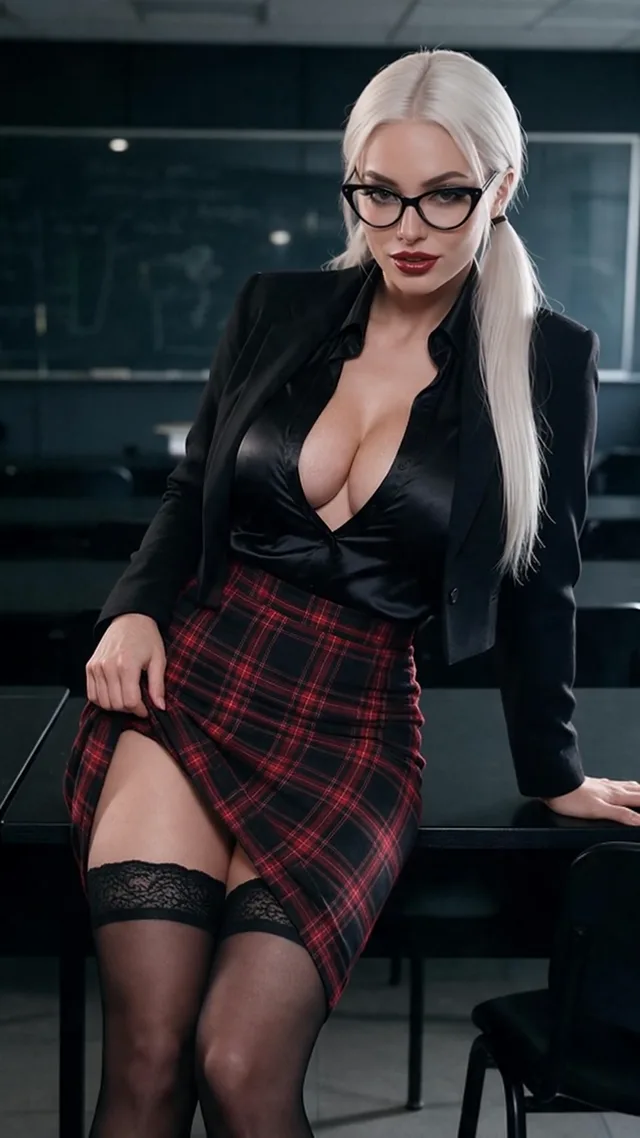
Warm
Mila
The thoughtful listener
An unhurried coffee, a sharp observation and a question that makes you smile. Mila is a direction for calm, attentive conversation.
These fictional concepts help you picture a personality. Filter by mood, watch a preview or save an idea before creating your own companion in Nastia.
Explore eight fictional directions, save the ones you like and borrow an opening line. Your own companion starts with your choices.
The thoughtful listener
An unhurried coffee, a sharp observation and a question that makes you smile. Mila is a direction for calm, attentive conversation.
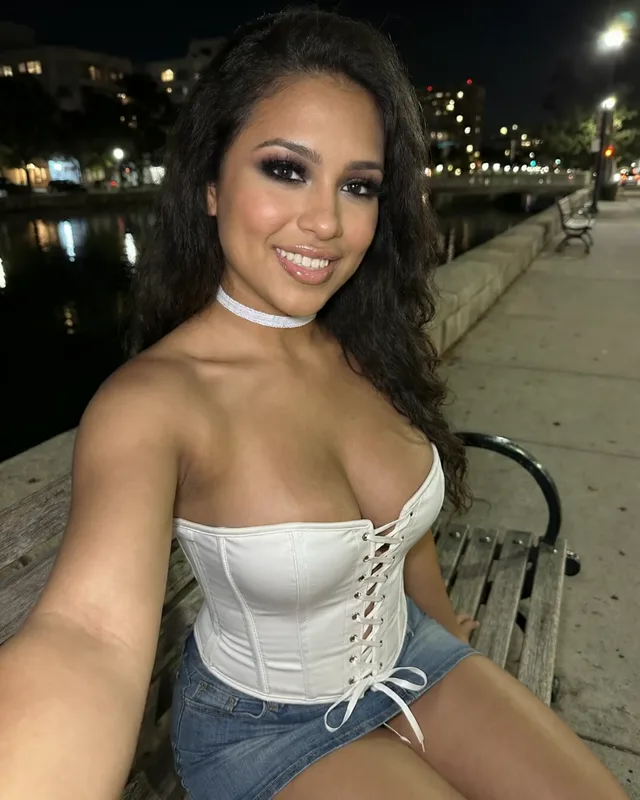
The spontaneous romantic
City lights, a quick joke and a plan that changes halfway through. Sofia brings a little confidence to an ordinary evening.

The curious city explorer
A good question becomes a long conversation. Lena is a starting point for travel ideas, surprising opinions and lively back-and-forth.
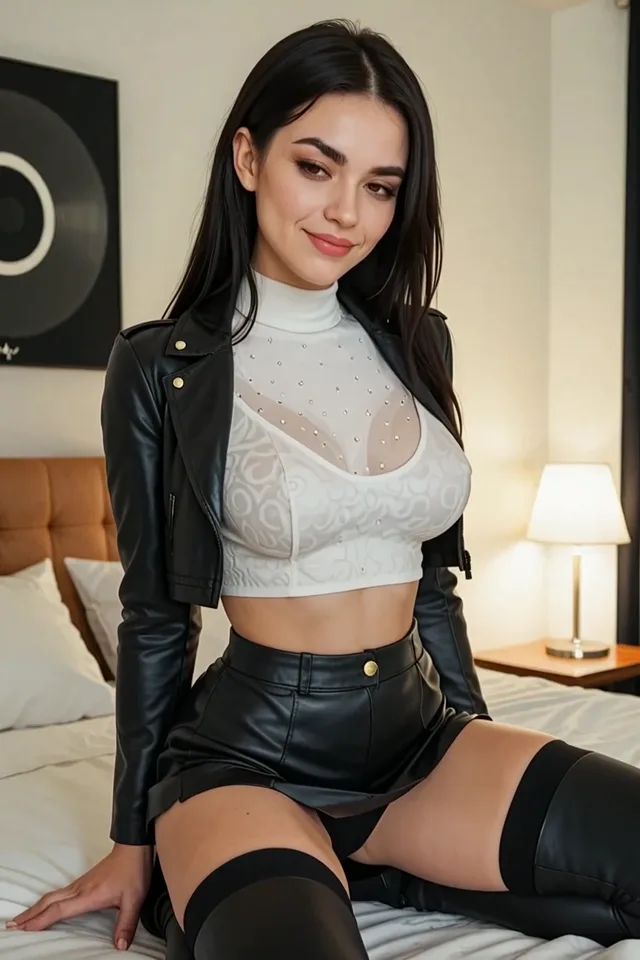
The imaginative storyteller
An unfinished story, an unexpected invitation and an eye for atmosphere. Eva turns a simple opening into a shared fictional world.
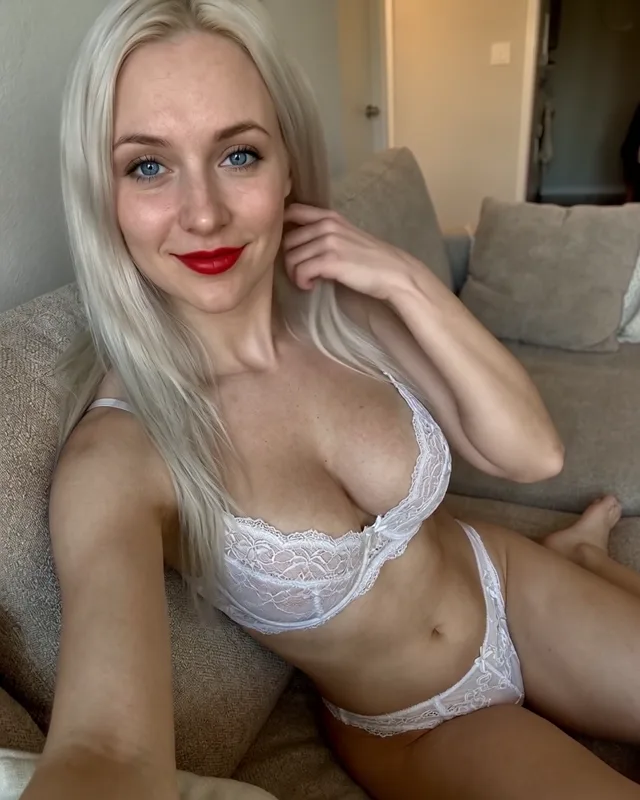
The relaxed daydreamer
Slow mornings, small rituals and room to daydream. Iris is a gentle direction for easy company and imaginative plans.
The music lover
A favourite song can open an unexpected conversation. Nova is a starting point for playful exchanges, shared playlists and evening plans.
The easygoing conversationalist
Familiar comforts and thoughtful questions leave room for an easy conversation. Clara is a direction for a relaxed, attentive companion.
The creative night owl
A new idea, a favourite film and a conversation that wanders. Aria is a direction for imaginative company and creative prompts.
No ideas match this filter. Try another personality.
Three small choices. A character direction and an opening message you can make your own.
An editorial suggestion. Your companion is created in Nastia after you continue.
The gallery is an editorial collection of starting points. Each concept pairs a conversation style with an opening message and a few usable character details. Names, ages and backstories describe fictional concepts; the media illustrates a mood and does not identify real people or existing Nastia accounts.
You can combine a warm conversational style with a love of city adventures, or give a creative storyteller a dry sense of humour. Keep the first brief focused. Adding more traits is less useful than choosing details that fit together.
Think about the conversations you naturally return to. Perhaps you like someone who asks thoughtful questions and leaves time for an answer. You may enjoy quick humour, playful disagreement or a character who can turn an ordinary detail into a story. These preferences are a better foundation than a long list of unrelated traits. Choose two or three qualities that work together, then add interests that give those qualities something to talk about.
For example, a warm character who loves old cinemas and cooking already has several natural ways to begin a conversation. A curious character who likes street photography and unfamiliar cities invites a different rhythm. You can also decide how you want the companion to reply: short messages, one question at a time, or a few lines of description before the dialogue. Our mood selector offers a simple starting point, while the character gallery lets you compare directions before you create anything.
A helpful character backstory connects personality to everyday behaviour. A fictional architect may notice unusual buildings. A music enthusiast might remember a concert venue or ask about the soundtrack to your week. Pick details that can appear naturally in conversation instead of writing a biography full of facts you will never mention. A favourite activity, a reason for living in a particular place and a small personal ambition are often enough to create a recognisable starting point.
Keep the initial brief consistent. A character described as quiet and reflective can still be funny, but asking for constant dramatic surprises may pull the conversation in a different direction. After a few exchanges, revise one trait at a time and see what changes. You can also describe what good replies look like: natural language, occasional questions, concise scene descriptions and respect for the direction you choose. This gives the companion a practical style rather than a collection of decorative adjectives.
Nastia is an AI companion service where adults can create fictional characters and chat with them. It offers personality customisation and additional features depending on the plan.
Its public Free plan includes one custom companion and chat with daily limits, with no card required to begin. Check the current account screen for the allowance that applies to you.
Public monthly prices checked on 24 November 2026 are Free at $0, Standard at $11.99 and Unlimited at $15.99, in USD. Confirm taxes, billing period and renewal terms at checkout.
No. Current public information describes unlimited chat messages on Unlimited, while generated images and video use a daily token allowance.
You can design an adult fictional companion's personality, appearance and backstory. The character ideas here are inspiration for that process, not a public list of available Nastia accounts.
Current official comparison pages describe voice messages and state that live voice and video calls are not offered. A voice message is an audio reply, not a live call.
Take an idea you like. Give it your own personality. See how the conversation feels.
Start with the free plan